
Kitchen heARTh
Warming food, nourishment, and the forgotten art of winter rest

I’ve been quiet here. Cocooned.
Deep in the kind of inner winter where writing feels like too much outward motion, where even the thought of forming words makes you want to curl up smaller.
Something shifted this week. Maybe it was the damp cold finally settling into my bones deep enough that I couldn’t ignore what my body was asking for. Maybe it was the kitchen calling me back.
Here on Madeira, the camellias are blushing pink. Yellow oxalis floods the fields. Aloe sends up those impossible red flower spikes. Everything is alive and growing and so green it almost hurts.
And still my body knows it’s winter.
The cold here clings, the humidity makes it sink past your skin, settling into your joints, the back of your throat, that soft place at the base of your skull. You can be standing in front of a field of wildflowers and still feel it.
So I light the fire every morning now. The fog rolls in smelling like wet eucalyptus bark. The forest up here drips. I find myself drawn back to the kitchen, to the stove, to pots that simmer low and long. Warmth that you can smell before you can feel it.

I’ve been cooking differently this winter. Slower. By candlelight most evenings, the kitchen kept dim on purpose, fairy lights strung up where I can see them while I stir.
Low light and the fireplace soften everything. My shoulders. My breath. My heart.
I’ve reached again for spices I’d forgotten about, jars that waited patiently for me to remember what they do. Ginger, nutmeg, cinnamon, liquorice, black cardamom. Things that warm you from the inside. Things that tell your body it’s safe to stop bracing against the damp.
Warmth is information.
That’s what I keep coming back to. When your body receives warmth through food, through spice, through steam rising from a bowl you’re holding, something softens.
Your nervous system gets the message: you can let down now.
You can rest.
And…so many of you received my wild recipe attempts with such warmth, and it made me want to keep going, to share more of what has been holding me, of needing rest while the world around me blooms.
Living somewhere so alive and fertile and still feeling the pull to withdraw, to tend the fire, to make food that warms.
The kitchen has become my answer to winter. To this cocooning time. To the part of me that knows I need to slow down..
Here are the things I’ve been making. The spices I’ve been reaching for. The recipes that have held me.
Small offerings from my hearth to yours.
The Winter Kitchen
There’s something about a winter kitchen that changes the quality of time. Lower light through the windows. Steam that clouds the glass. The sound of water coming to a gentle boil, the lid of a pot rattling softly.
Everything slows.
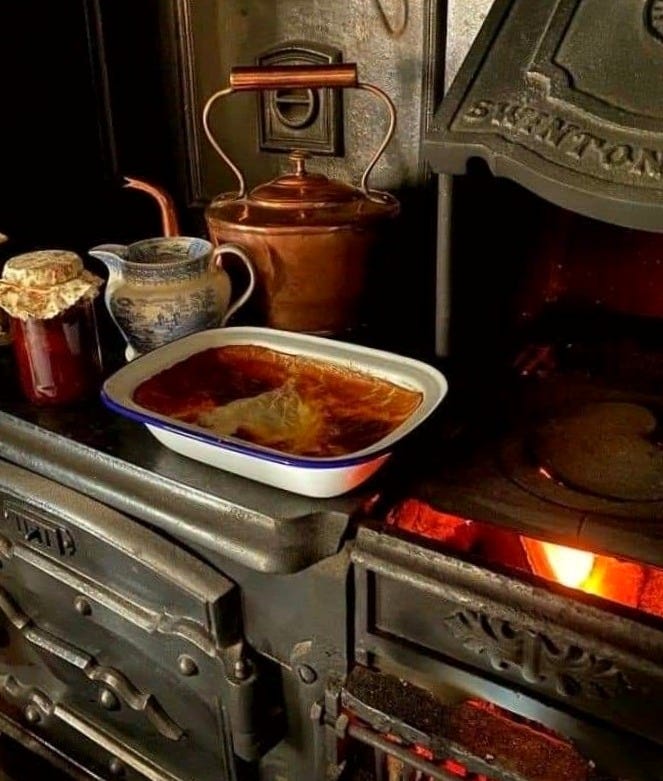
I keep my warming spices near the stove now. Within arm’s reach, like you do with loved ones.
I want to see the jars, smell them when I open the lids, let my hands reach for what feels right that day.
The winter kitchen asks different things of us. Longer cooking times. More presence. You can’t rush a stew. You can’t hurry a pot of soup that needs to simmer for an hour.
The kitchen teaches you to be with the waiting, to let warmth build slowly.
This is where winter rest begins. Before bed. Before stillness. It begins here, with your hands moving slow, with scent filling the room, with heat that you tend to rather than demand.
Why Warming Food Matters
We’ve gotten so far from this. Cold smoothies in winter. Salads when our bodies are asking for soup. Meals eaten standing up, rushed, without steam or warmth or time.
Winter digestion needs help. Your body is working harder to stay warm, to keep everything moving.
Cold food takes more energy to process. It asks more of a system that’s already doing so much.
Warm food is a kindness. We used to gather around the fire of this time of the year.
Knit or sew, tend to the little things. Read, write, sip tea, sleep.

It’s your body receiving the message that there’s enough.
With the warming spices, the digestion softens. The belly relaxes. Blood moves toward the core instead of staying vigilant at the surface.
This is ancient knowledge. Our grandmothers knew this. The women before them knew this. The hearth was never just about cooking.
It was about tending and about creating the conditions for rest.
The Deep Warming Spices
These are the ones I reach for most. The ones that move heat inward, that settle into your bones, that tell your body winter is safe.
Ginger
Fresh ginger root, knobbed and golden under papery skin. When you cut into it, the scent is sharp and clean. It wakes you up and warms you at the same time.
I add ginger in everything this time of year. Grated into morning porridge. Sliced thin for tea. Minced into stews where it disappears but leaves its heat behind.
Ginger moves. It gets things flowing. Blood circulation. Digestion. The stuck places where cold has settled.
When I feel that damp cold in my chest, in my throat, ginger is what I reach for.
Turmeric
Golden and earthy. Turmeric stains everything it touches. Your fingers. Your cutting board. The wooden spoon you use to stir.
It leaves its mark.
I use the fresh root and ever so greateful that it grows here. It looks like ginger’s cousin. Smaller. More delicate. Bright orange inside. The powder is easier, though. Always in my cupboard. I add it to soups, to golden milk, to rice as it cooks.
Turmeric warms differently than ginger. Slower. Deeper. It settles into joints that ache from the damp. It supports the body’s own warmth rather than imposing heat.
Gentle. Steady. Like a hand on your lower back.
True Cinnamon
The kind that comes in soft, thin scrolls. Ceylon cinnamon. Sweeter than the cassia most people use. More delicate. You can taste the difference.
I break pieces into tea. Grind it fresh when I remember. Add it to porridge, to baked apples, to anything that wants a touch of warmth and sweetness without sugar’s sharpness.
Cinnamon speaks to blood sugar. To the way our energy moves through the day. It steadies. Warms the belly. Makes you feel held from the inside. On grey mornings when I wake up cold, cinnamon in my oats is like putting on a favorite sweater.
Cardamom
These little green pods hold so much. When you crush them, the seeds inside are tiny and dark, carrying a scent somewhere between lemon, eucalyptus, and warmth itself.
Complex. Beautiful.
I learned about cardamom from the chai my Indian girlfriend made. The way it softened everything else in the pot. Made the spices talk to each other.
Green cardamom does that. It lifts, rounds, and brings harmony. It is generous and bright and endlessly companionable.
And then there is black cardamom.
If you can get your hands on it, you will know immediately it is a different being altogether. Larger pods. Smoky. Resinous. Almost camphorous. It tastes like fire that has learned patience.
Black cardamom doesn’t sweeten. It grounds. It belongs to long-cooked stews, winter kitchens, and meals that are meant to stay with you. Where green cardamom opens the breath, black cardamom settles it lower, deeper, closer to the belly and the bones.
Both are warming.
But they warm in different directions.
Cardamom goes in my morning coffee sometimes. In golden milk always. In rice pudding when I make it. It lifts. Warms without weight. Opens the chest when the damp has made breathing feel thick.
And if you wish some warmth for your heart, please try cardamom-infused milk with some rose. Simply leave the cardamom seeds or broken pods to infuse in the milk overnight, then warm it gently adding rose petals and vanilla and serve it with a spoonful of local honey. It really is heavenly.
Nutmeg
A whole nutmeg looks like a small wooden egg. When freshly grated, its scent comes from potent aromatic oils held tightly inside the seed. These oils are warming, stimulating, and deeply fragrant. Sweet at first, then sharp. Nutmeg is powerful in small amounts. A reminder that some plants offer their gifts best when approached slowly.
Just a little is enough. A few gratings over porridge. A small pinch in soup. Stirred into warm milk before bed.
Nutmeg is grounding. It tells your nervous system to land. To stop spinning. To settle into your body instead of hovering above it.
On nights when my mind keeps pacing, I pull on warm socks and warm a small pot of milk. I grate nutmeg fresh, just a little, add a pinch of chilli and honey, and drink it slowly. The nutmeg tastes deep and comforting, almost indulgent. It doesn’t put me to sleep. It settles and warms me. Like being tucked in from the inside.
What I’ve Been Making
These aren’t fancy. They’re what my body asked for and what my hands remembered how to make.
Morning Porridge
I’ve been eating this almost every day. Oats cooked slow with water or cardamom infused milk. Sometimes both.
While they cook, I grate fresh ginger into the pot. Add a good pinch of cinnamon. Stir in turmeric until the whole thing turns golden. Let it simmer until the oats are soft and the spices have married into everything.
At the end, I add a little butter or ghee. Some honey if I want sweetness. Sometimes crushed cardamom. A few gratings of nutmeg right before I eat it.
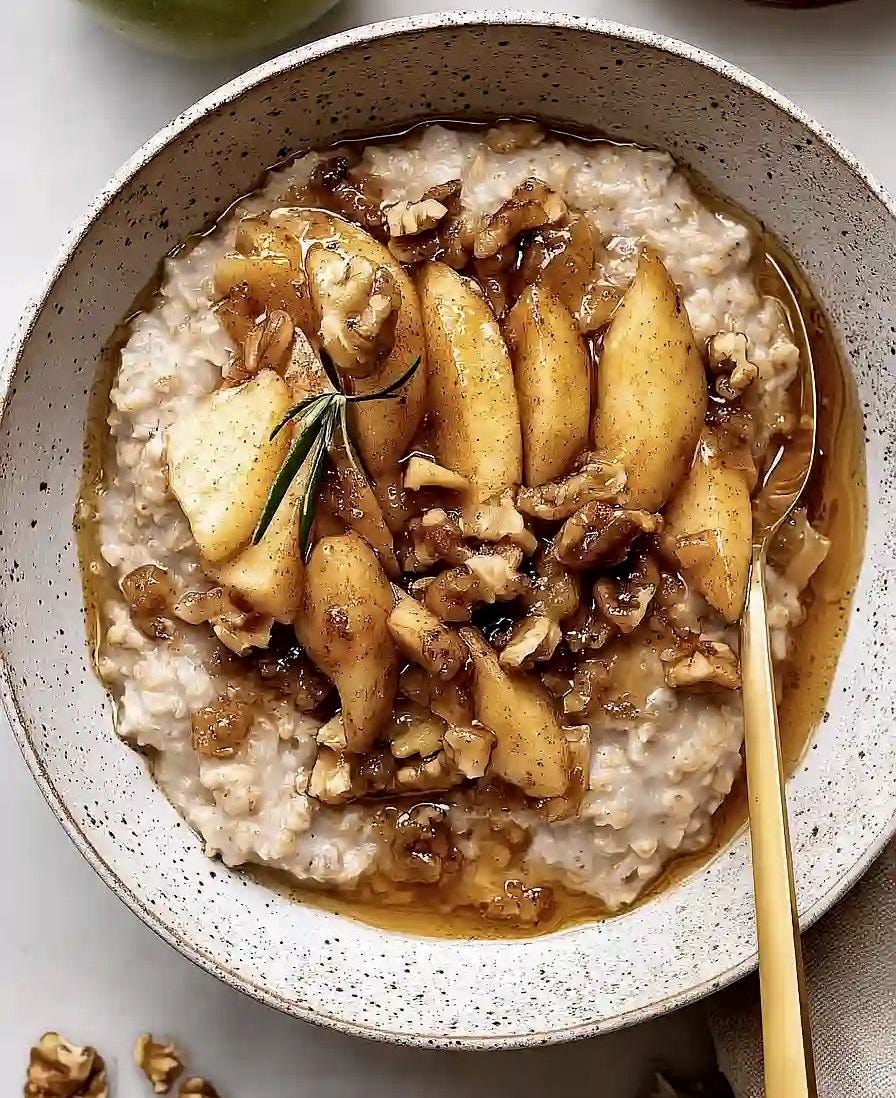
I top it with whatever I have. Stewed apples. Dried figs torn into pieces. Tahini drizzled over, or a piece of cacao to melt into the warmth. Nuts and seeds if I remember. The toppings change. The base stays the same.
Warm. Spiced. Grounding.
Ginger Turmeric Tea
The simplest thing. Fresh ginger sliced thin. Fresh turmeric if I have it, powder if I don’t. A stick of cinnamon. Cardamom pods crushed with the side of a knife.
I put it all in a pot with water and let it simmer for 10 minutes with lid on. Longer if I forget about it. Strain it into a mug. Add honey and a squeeze of lemon.
I drink this when I wake up cold. When my throat feels raw from the damp. When I need warmth that doesn’t come from coffee’s jittery heat. It burns a little going down. Ginger does that. Then it spreads. Chest. Belly. Hands.
Golden Milk
This is what I make in the evenings. When the day is finishing and my body is asking to slow.
Warm your milk. Any kind. I use coconut milk mostly. Add turmeric and a small pinch of black pepper (it helps your body use the turmeric). Ginger powder or fresh grated. Cinnamon. Cardamom if you have it. A tiny grating of nutmeg.
Sweeten it with honey or maple syrup or add licorice root decoction for the ultimate comfort. Add a little butter or coconut oil so it’s creamy. Whisk it until it froths.

Drink it slow. Let it warm your hands first. This is a before-bed drink. A winding-down drink. It tells your body the doing is finished.
Root Vegetable Stew
This is what I make when I want food that lasts. That I can eat for days. That fills the house with smell and warmth.
I start with onions and leeks. Lots of them. Let them soften in olive oil until they’re sweet. Add cumin, caraway, tarragon, thyme, fresh ginger, and grated garlic. Let that smell fill the kitchen.
Then whatever roots I have. Carrots. Sweet potato. Parsnips. Regular potatoes. Turnips if I’m feeling wild. Cut into chunks. Add them to the pot.
Pour in broth. Enough to cover everything. Add turmeric or saffron for color. Bay leaves. Some smoked paprika. Salt. Pepper.
Let it simmer. Low and slow. An hour at least. The roots should be soft enough to fall apart. The broth should taste like it knows what it’s doing.
At the end, I stir in some miso or coconut milk. Makes it creamy. Rich. Warming all the way down. Top it with a generous amount of parsley or coriander.
I eat this with toasted bread. Good bread that can soak up the broth. Sometimes I add cooked grains to make it thicker. Sometimes I leave it as soup.
Spiced Lentil Soup
Red lentils because they cook fast and dissolve into silk. I start the same way. Onions until soft. Ginger and garlic. Then I add my spices.
Cumin seeds toasted first if I remember. Turmeric. A little cayenne if I want heat. Coriander. Let the spices bloom in the oil for a minute. The smell will tell you when.
Add the lentils. Stir them around. Then add water, astragalus or mushroom broth. A can of coconut milk. A can of tomatoes crushed by hand. Let it simmer until the lentils disappear into the soup. Thick and golden and warming.
I finish it with fresh cilantro if I have it. A squeeze of lime. More ginger grated right at the end for brightness. This is the soup I make when I’m tired. When I need something that gives silky warmth.
The Rhythm of It
I’m not following recipes exactly. I’m following what feels right. Some days I want more ginger. Some days cinnamon is what my body asks for. The kitchen is teaching me to listen.
I keep these spices close. I add them early when I want them to meld. I add them late when I want them to sing. I’m learning their languages. How they talk to each other. How they change when they’re heated. How they hold.
This is the work of winter.
Learning to warm yourself. To create the conditions for rest. To trust that slowness isn’t laziness. That tending the fire and stirring the pot and drinking warm tea with both hands wrapped around the mug is how you survive this season.
The recipes are just maps. The real teaching is in your body. In noticing what warmth you need.
What spice is calling. Whether today is a ginger day or a cardamom day or a day when nutmeg is what will finally let you land.
Offerings from the Hearth
I’m still in it. This cocooning. This inner winter. But I’m finding my way back through the kitchen. Through spice and steam and slow cooking. Through warmth that builds from the inside.
If you’re feeling it too, this pull to slow down while the world keeps moving, maybe try one of these.
Make the tea. Make the porridge. Let something simmer on your stove. Let the warmth find you.
Winter is asking us to remember. That rest isn’t a luxury. That warmth is medicine. That the hearth has always been where we come back to ourselves.
I’ll be here. Tending my fire. Making my soups. Learning to rest even while the camellias bloom.
And I’ll share more about what it means to truly rest. To be held by winter instead of pushing through it.
There’s something opening. Something I want to offer. A deeper returning. But for now, these recipes. These spices. These small acts of warmth.
From my hearth to yours.

So beautiful, thank you for sharing. It’s summer where I am but I hope to come back to this in winter and re read your lovely winter words again
Hi Noemi
I am happy that I have food inspiration! That drink with rose petals in it..made my body tingle. That particular tingle will have to wait as Denmark is covered in snow. And commercial roses would add well just chemicals, no scent.
The lentil stew, that's dinner tomorrow. I've always loved cooking. Started at 10 eksperimentingwith and making food for my family. Later baking often became my inner sanctuary when life was throwing mountains at me. The scent of freshly baked bread will lover your heart beat - and that's before you've even eaten it!
I like spices, but my body reacts badly to strong spice, for me it numbs the inside of my mouth and then ai can't taste it and my mouth is burning badly. A pinch of chili and that is it. Pepper burns my throat. Ginger a bit and certainly in stews. Turmeric, dried, I can eat it, but in my mouth it tastes like the desert, like sand(and I have lived in Sinai for a while so I a, familiar with the taste😎'
I am not (deliberately) trying to be difficult because I understand the benefits of chile, pepper, lots,of ginger
I might be missing out on all these great and calming benefits and lord know, my nervous system could certainly need some extra winter service....But if the throath say 'No'?!
Ps. You may already be doing this to your rolled oats, but if not:
Soak them in milk/rice milk/water overnight. This will make the porridge even smoother and better tasting.
The reason? The minute you soak oats, you've started preparing the porridge. It takes the soak and overnight to give oat the time she needs to become porridge tomorrow.